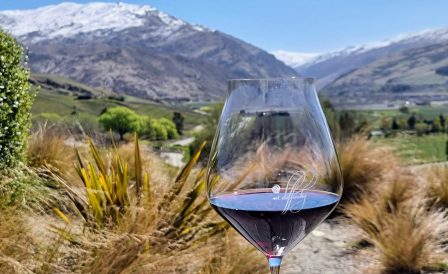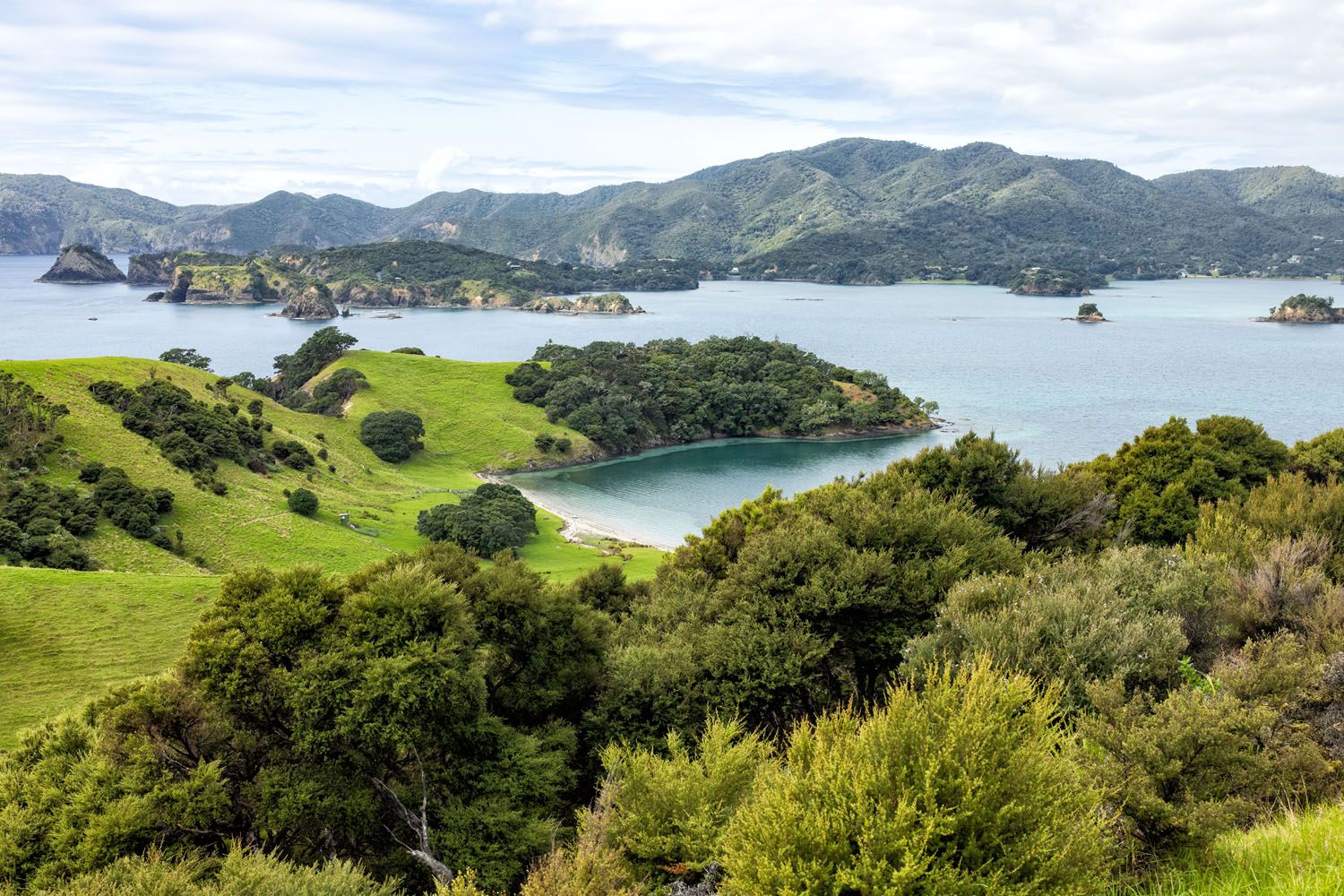

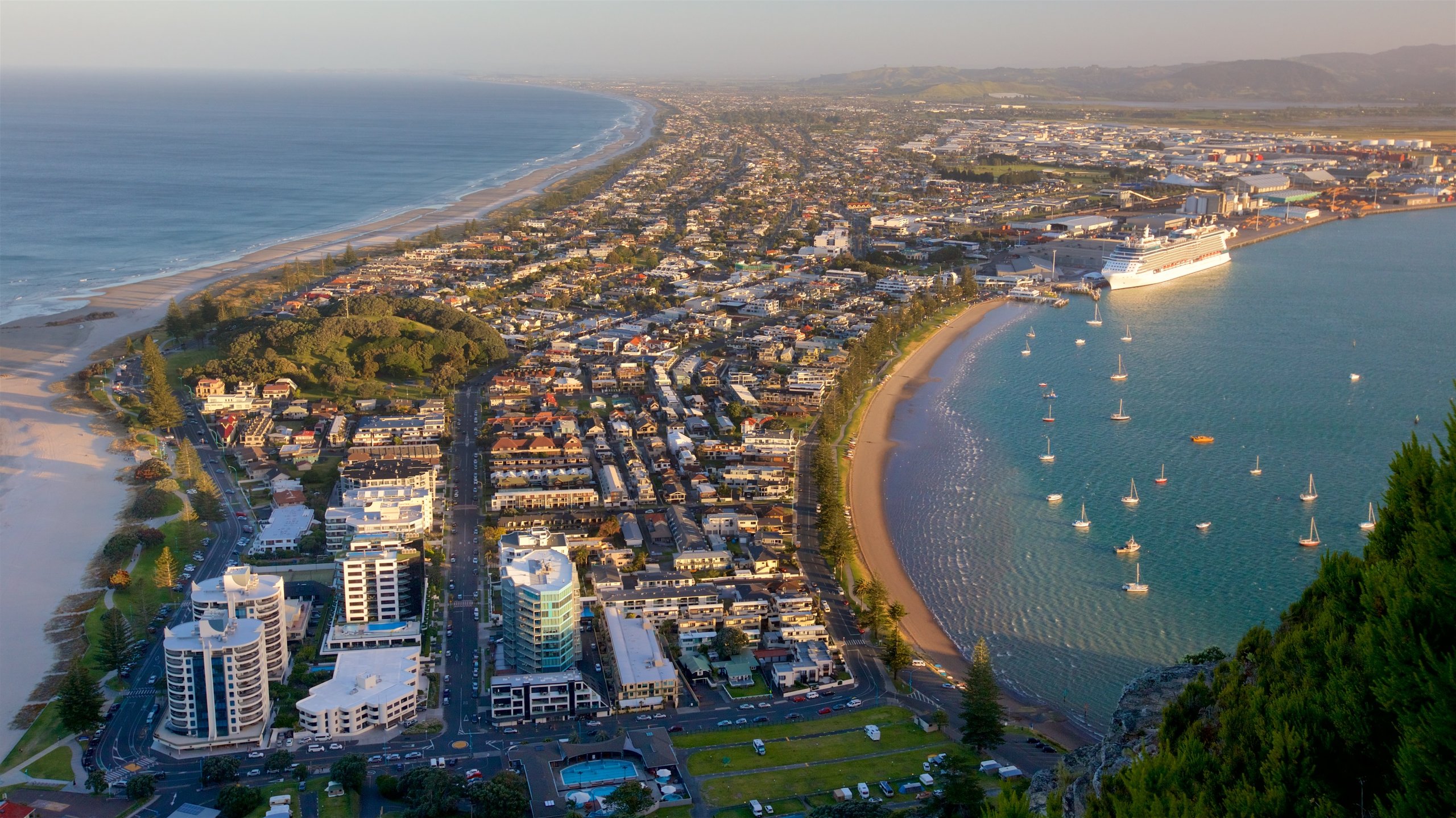
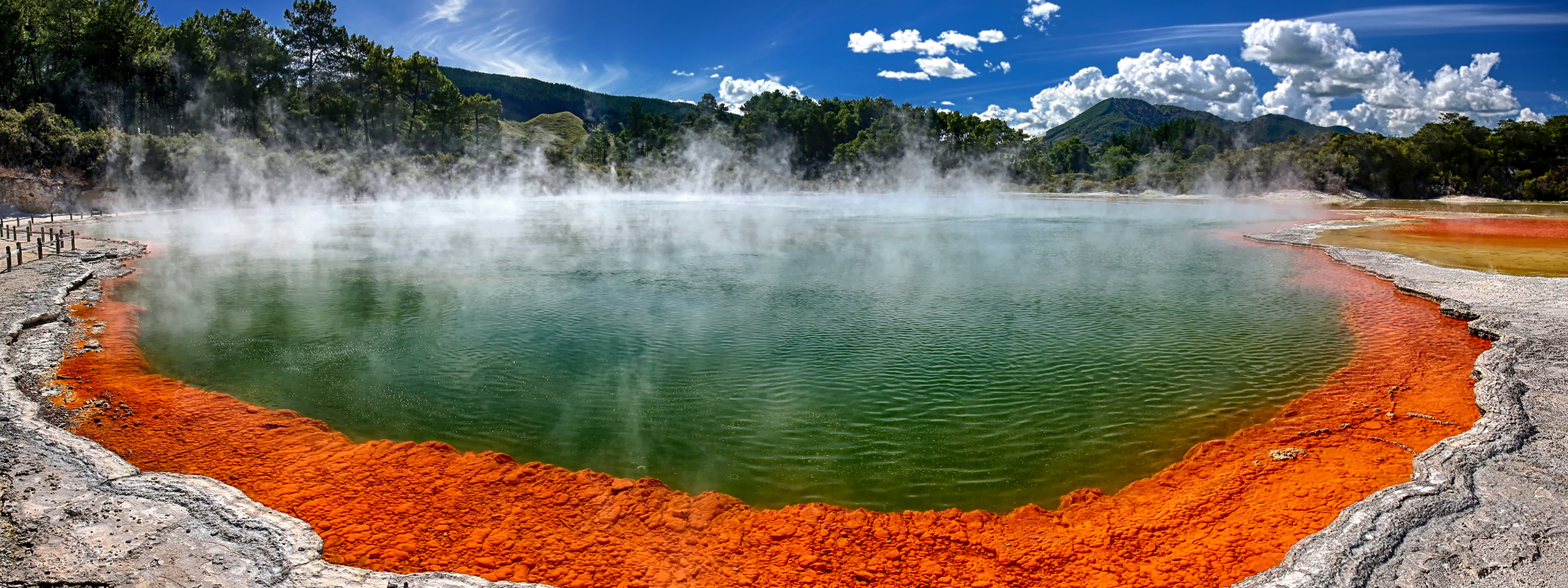

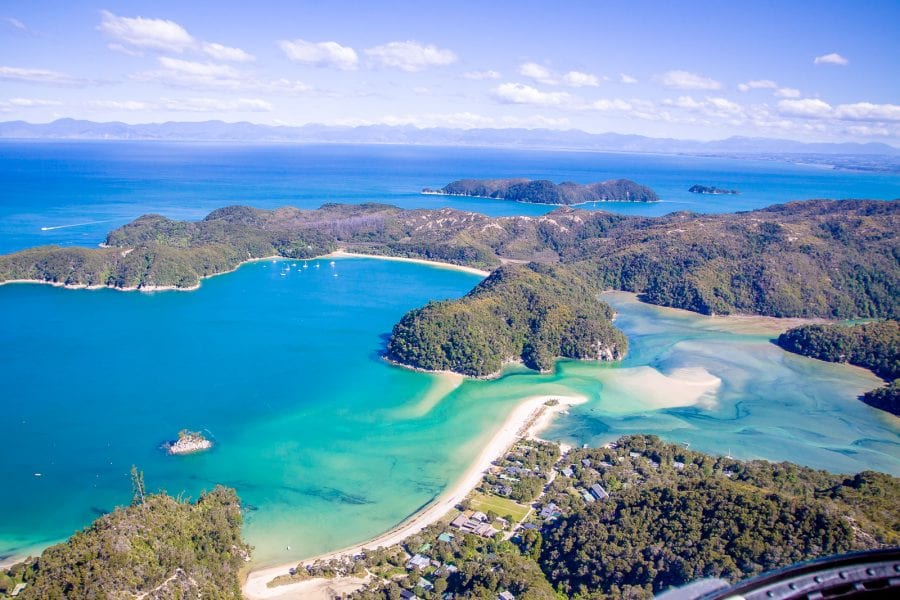
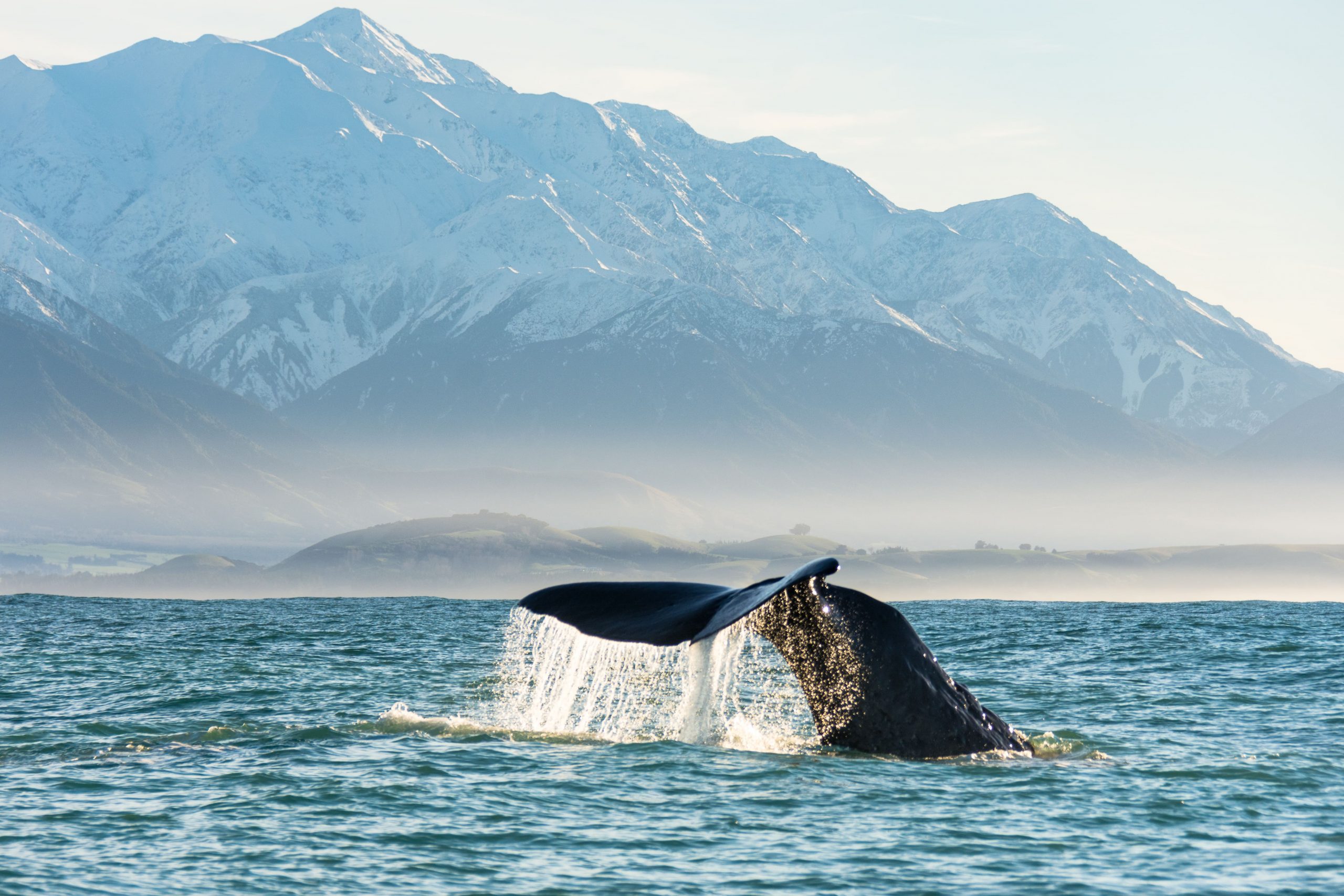
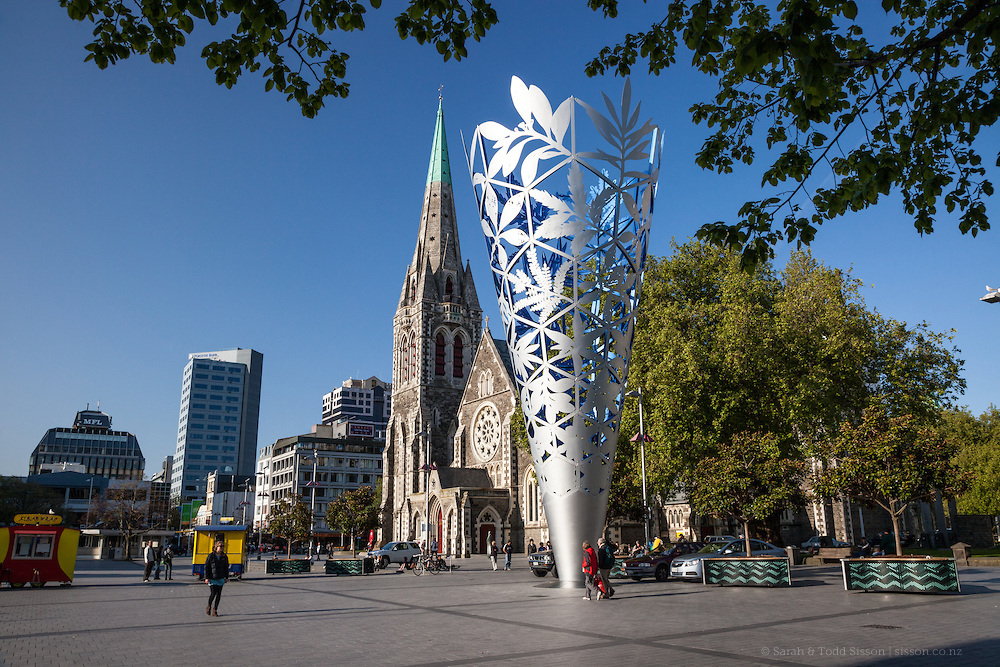
Tekapo / Pukaki / Aoraki Mount Cook — the epicentre of premium and eco-tourism in New Zealand, where nature itself is the main attraction. The region is famous for its turquoise glacial lakes and the country’s highest peak, Aoraki Mount Cook, as well as its designation as an International Dark Sky Reserve, which makes it a true destination for astrotourism.
Here, the hospitality industry focuses on exclusivity – from secluded luxury lodges to unique glamping experiences and world-class service for those seeking silence and authenticity in the heart of the Southern Alps.

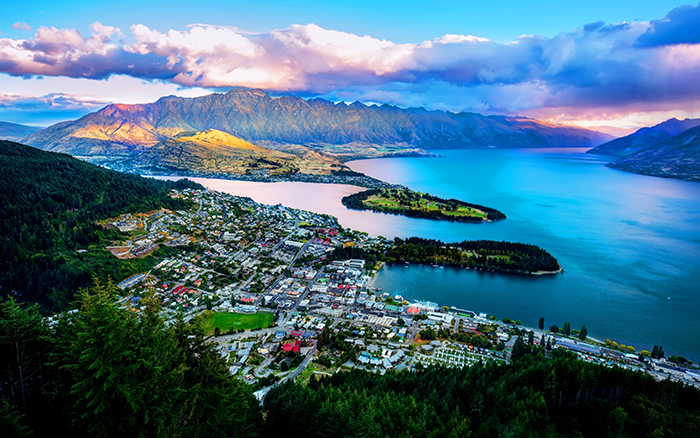
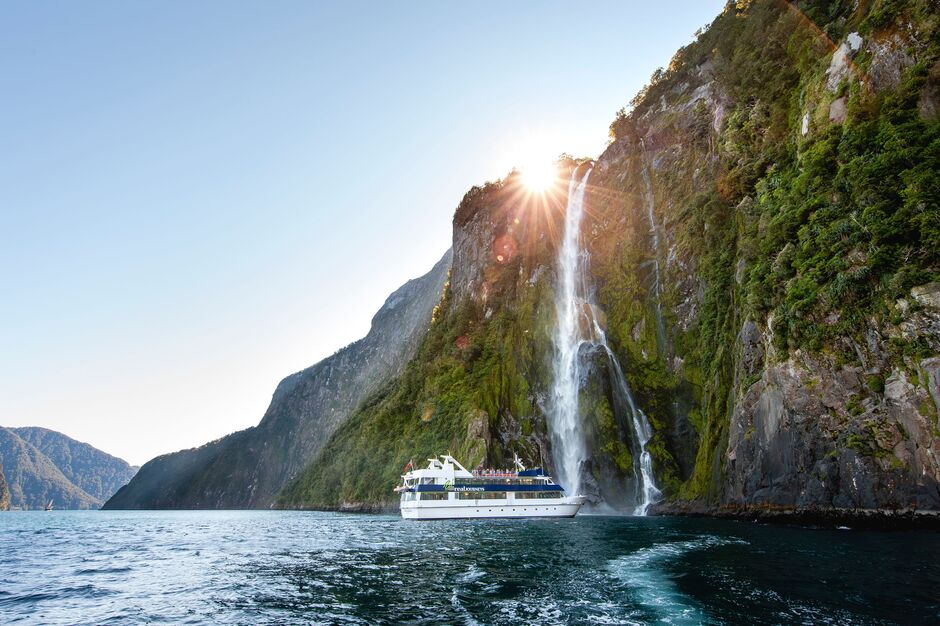
And this is only a small part of the many destinations that attract travellers to remarkably touristic and welcoming New Zealand.
You can read more about New Zealand’s cities in our article.
Studying Tourism and Hospitality in New Zealand
Education programmes in this industry are offered at all levels across New Zealand and are available in a wide range of institutions: from private, highly specialised institutes with a strong practical focus to leading, higher-cost universities with a more academic and sometimes research-driven approach. Below is just a small selection of programmes available in this field.
For example, there is a unique institution — PIHMS, the Professional International Hotel Management School. Its training model follows the Swiss system: students can live, study and complete their practical training in one place. You can find an overview of this institution here.
To learn more about the different types of educational institutions in New Zealand, read our separate article.
For those starting from scratch or with a vocational qualification
If your goal is to enter the tourism and hospitality industry in entry-level roles (hotels, restaurants, cafés and related services), mid-level diplomas focused on practical skills and quick integration into the workplace are a suitable option.
New Zealand Diploma (Level 5)
An entry-level qualification for a fast start. It provides a foundation in service standards and operational work.
Tourism
- Diploma in Tourism & Travel Management — New Zealand School of Tourism
A programme designed to prepare professionals for the travel industry, with a focus on booking systems, operations and high customer service standards. Duration: 8 months plus 2 months of internship. Tuition fees: approximately NZ$22,500. - Diploma in Outdoor and Adventure Education — NMIT
A practical programme for future guides, focused on group management and safety in outdoor and adventure tourism. Duration: 10–11 months. Tuition fees: approximately NZ$27,000. - Diploma in Tourism and Travel — Toi Ohomai Institute of Technology
A foundational course covering tourism marketing, business processes and creating outstanding customer experiences. Duration: 12 months. Tuition fees: approximately NZ$27,000.
Hospitality
- Diploma in Hospitality Management — AIS
A programme focused on operational management in hotels and restaurants, including commercial performance, staff management and quality control. Duration: 12 months. Tuition fees: approximately NZ$23,200. - Diploma in Hospitality Management — Ara Institute of Canterbury
Designed to develop leadership skills and the ability to coordinate different departments within the hospitality sector. Duration: 12 months. Tuition fees: approximately NZ$27,000. - Diploma in Hospitality Management — PIHMS
An intensive programme in hotel management delivered in an environment that closely replicates real hotel operations, with a strong focus on administrative management. Duration: 12 months. Tuition fees: approximately NZ$27,000.
New Zealand Diploma (Level 6)
Advanced study of shift management, marketing and financial management within the hospitality sector.
Tourism
- Diploma in Tourism & Travel Management — New Zealand School of Tourism
An advanced programme focused on tourism management, including strategic planning, marketing and business project management. Duration: 8 months plus 2 months of internship. Tuition fees: approximately NZ$22,500. - Diploma in Adventure Tourism Management — QRC
Professional training for future leaders in the adventure tourism sector, combining risk management with business administration. Duration: 21 months (approximately 2 years). Tuition fees: approximately NZ$32,000.
Hospitality
- Diploma in Hospitality Management — Ara Institute of Canterbury
An advanced management programme focused on optimising operational processes and making strategic decisions within the hospitality industry. Duration: 12 months. Tuition fees: approximately NZ$27,000. - Diploma in Hospitality Management — SIT (Southern Institute of Technology)
A programme for future managers covering financial analysis, large team management and long-term planning in the hotel sector. Duration: 12 months. Tuition fees: approximately NZ$22,000.
These programmes are a solid starting point for a career in tourism and hospitality, but they do not lead to eligibility for a Post Study Work Visa. However, they provide an opportunity to enter the industry and continue progressing to higher-level qualifications that can lead to a work visa.
Bachelor’s degrees
A bachelor’s degree is a direct pathway into the profession. After completing a bachelor’s programme, graduates are eligible for a 3-year Post Study Work Visa and can work in any qualified role within the tourism and hospitality sector.
Following graduation, one year of relevant work experience is typically required to accumulate the necessary points for the Skilled Migrant Category.
Bachelor’s Degree (Level 7)
Duration: 3 years
Post-study work visa: up to 3 years after graduation
Tourism
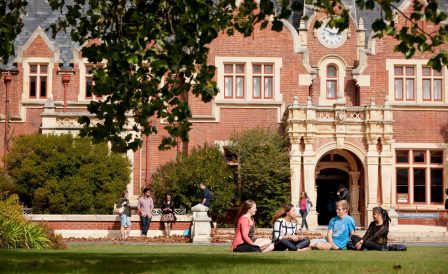
- Bachelor of Tourism Management — Lincoln University
An academic programme combining natural resource management and the social aspects of tourism to prepare managers for the recreation and tourism sector.
Tuition fees: approximately NZ$37,000 per year. - Bachelor of Commerce majoring in Tourism Management — Victoria University of Wellington
A business-focused degree exploring the impact of tourism on the economy and society, with an emphasis on strategic management and sustainable regional development.
Tuition fees: approximately NZ$38,000 per year. - Bachelor of Applied Hospitality and Tourism Management — Toi Ohomai Institute of Technology
An applied programme focused on entrepreneurship, creating unique customer experiences and managing regional tourism projects.
Tuition fees: approximately NZ$23,500 per year.
Hospitality
- Bachelor of International Hospitality Management — AUT (Auckland University of Technology)
An internationally oriented programme covering sales management, HR and strategic marketing, with a compulsory internship in the final year.
Tuition fees: approximately NZ$40,000 per year. - Bachelor of Applied Hotel Management — PIHMS
An intensive, hands-on programme delivered within a functioning hotel environment, including two guaranteed paid internships designed to prepare future senior managers.
Tuition fees: approximately NZ$28,000 per year. - Bachelor of Hotel Management — SIT (Southern Institute of Technology)
A programme preparing future leaders for hotels and resorts, combining financial accounting, law and marketing with a compulsory industry internship.
Tuition fees: approximately NZ$24,000 per year.
All of these programmes provide a comprehensive management education in tourism or hospitality, offer internship opportunities and give graduates a confident start in the industry.
For those who already have education and/or experience
If a person already holds a bachelor’s degree in this or a related field (tourism, hospitality management, business, management, marketing or other service industries), this option may be suitable. However, it does not lead to a Post Study Work Visa.
To apply for residency under the Skilled Migrant Category, a job offer from an employer who is able to support a work visa is required first. With five or more years of relevant work experience (in any country), residency may be possible after two years of work in New Zealand.
Graduate Diploma (Level 7)
Duration: 1 year
Post-study work visa: not available
Tourism
- Graduate Diploma in Tourism Management — Lincoln University
A conversion programme focused on analysing tourism markets and managing tourism infrastructure.
Tuition fees: approximately NZ$37,000.
Hospitality
- Graduate Diploma in International Hospitality Management — AUT (Auckland University of Technology)
An accelerated programme for professionals who want to develop modern international hospitality management and leadership skills.
Tuition fees: approximately NZ$40,000. - Graduate Diploma in Business (International Hospitality Management) — ICL Business School
A programme focused on financial control, operational management and business strategy in the food service and hospitality sector.
Tuition fees: approximately NZ$28,500.
Postgraduate Diploma (Level 8)
These are one-year programmes that lead to eligibility for a one-year Post Study Work Visa. After graduation, one year of relevant work experience is required to accumulate the necessary points for the Skilled Migrant Category.
Duration: 1 year
Post-study work visa: up to 1 year after graduation
Tourism
- Postgraduate Diploma in Tourism and Hospitality Management — University of Waikato
A research-informed programme designed for future leaders, focused on solving complex management challenges and analysing global industry trends.
Tuition fees: approximately NZ$40,000. - Postgraduate Diploma in International Tourism Management — AUT (Auckland University of Technology)
An advanced programme centred on critical analysis of tourism and high-level management of both urban and regional destinations.
Tuition fees: approximately NZ$41,000.
Hospitality
- Postgraduate Diploma in Applied Hotel Management — PIHMS
A professional programme for future senior managers, combining academic theory with practical management of hotel departments.
Tuition fees: approximately NZ$30,000.
Master’s degree — the best option for experienced professionals
Master’s programmes provide eligibility for a 3-year Post Study Work Visa, the opportunity for a partner to obtain an open work visa, and access to free public schooling for children during the period of study. After graduation, the key step is to secure employment in order to apply for residency under the Skilled Migrant Category.
Master’s Degree (Level 9)
Duration: 1–2 years
Post-study work visa: up to 3 years after graduation
Main programmes: Tourism
- Master of Tourism Management — Lincoln University
A programme preparing researchers and industry experts capable of analysing tourism’s environmental impact and developing sustainable industry strategies.
Duration: 12–18 months
Tuition fees: approximately NZ$60,000. - Master of International Tourism Management — AUT (Auckland University of Technology)
A programme designed to develop advanced expertise in international tourism management, with a focus on global industry trends and sustainable development strategies.
Duration: 18 months
Tuition fees: approximately NZ$61,500. - Master of Commerce majoring in Tourism Management — Victoria University of Wellington
A research-oriented programme focused on critical analysis of business models and the development of innovative solutions for managing tourism markets.
Duration: 18 months
Tuition fees: approximately NZ$59,000.
Hospitality
- Master of International Hospitality Management — AUT (Auckland University of Technology)
A programme designed for future senior executives, focusing on strategic leadership, managing complex organisations and driving innovation within the hospitality industry.
Duration: 18 months
Tuition fees: approximately NZ$59,000. - Master of Applied Hospitality Management — Le Cordon Bleu
An advanced programme combining the art of classic service with high-level business administration and financial planning skills.
Duration: 18 months
Tuition fees: approximately NZ$55,000. - Master of Applied Hotel Management — PIHMS
A professional master’s programme aimed at preparing graduates for senior leadership roles through in-depth study of operational strategy and hotel management.
Duration: 18 months
Tuition fees: approximately NZ$39,000.
If this field resonates with you and you would like to study and work in New Zealand in the tourism and hospitality industry, contact Kiwi Education. We will help you choose the most suitable option, find the best tuition rates and available discounts, apply for admission and secure your visas.