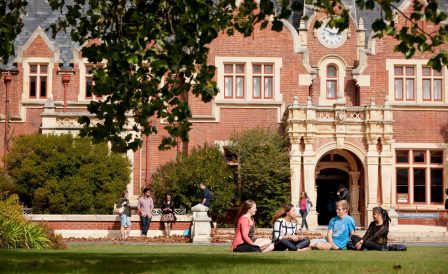
Winemaking in New Zealand isn’t just an industry, it’s part of the national character. Clean, honest, environmentally friendly, and firmly focused on quality over volume — that’s the country’s signature approach. Once again, New Zealand plays by its own rules: a small country at the edge of the world producing less than 1% of global wine, yet its bottles fill shelves across the globe thanks to a strong brand and a solid presence in premium and niche export segments. The industry is economically resilient, expanding rapidly, and constantly evolving through new technologies and ongoing scientific research.
Where the Taste of New Zealand Begins
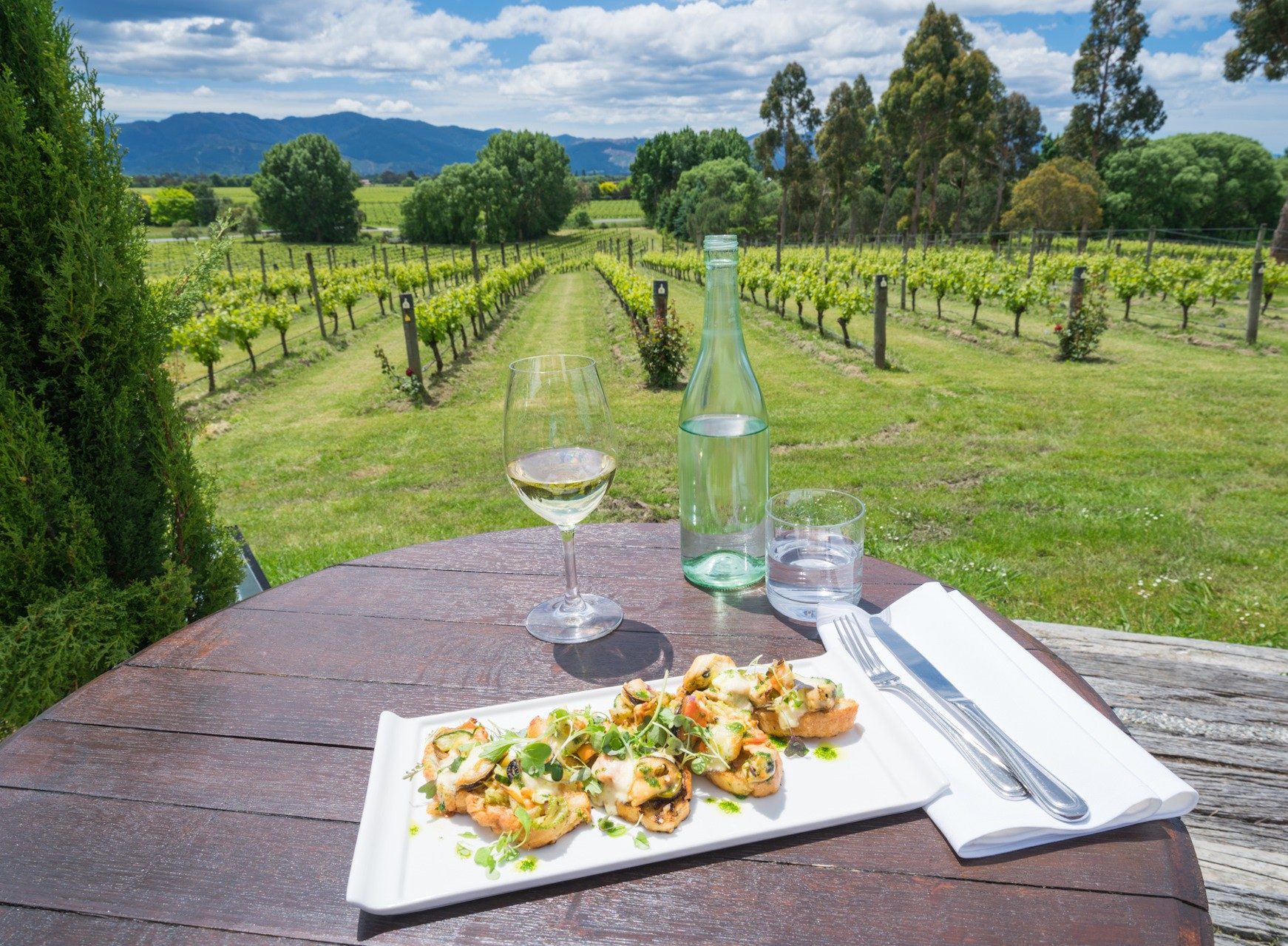
Marlborough is the heart of New Zealand winemaking. It’s home to the country’s largest vineyards and produces the bulk of New Zealand’s wine exports. This is the birthplace of the iconic Sauvignon Blanc — the intensely aromatic, gooseberry-driven style that turned New Zealand into a global sensation in the 1980s. Cloudy Bay Vineyards was the key player behind that breakthrough.
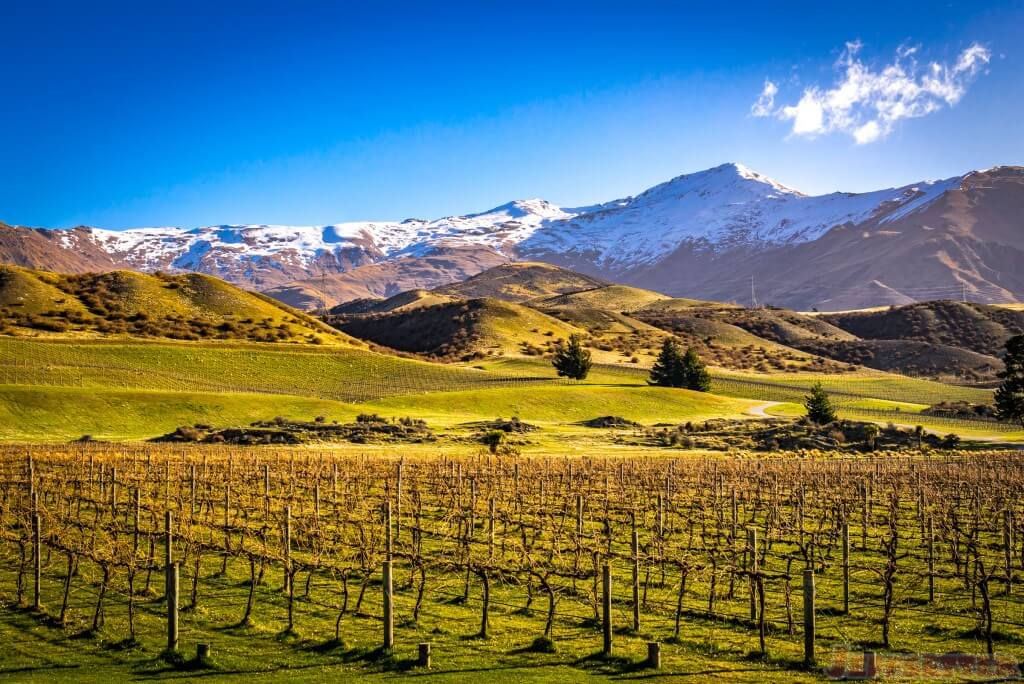
Central Otago is a breathtaking mountain region on the South Island, seemingly designed for enjoying a glass of Pinot Noir with a view. Wineries here often look more like boutique retreats — small in volume, big in character — and that combination has made the area a magnet for wine tourism and the unofficial capital of New Zealand red wine.
Hawke’s Bay is the second-largest wine region, with a warm, stable climate and an impressive range of styles. Shiraz, Merlot, Chardonnay, Bordeaux-inspired blends — nearly every major variety finds its niche here. Tourism and gastronomy are just as strong as the winemaking culture itself.
And dozens of other corners where grapes feel right at home
Gisborne, Nelson, North Canterbury (Waipara), Wairarapa (Martinborough), and many smaller wine regions — each with its own microclimate and distinct personality in the glass.
Wine Education in New Zealand
For beginners and vocational learners
Entry-level certificates and diplomas: your first steps into viticulture
If your goal is to enter the industry in starter roles — vineyard work, vine care, basic winery operations — certificate- and diploma-level programs are the way to begin.
Programs offered by the private institution New Zealand School of Food & Wine:
- Certificate in Professional Wine Knowledge (Level 5)
Covers core wine theory: grape varieties, styles, tasting skills.
Useful as a foundation before moving into more advanced study.
Duration: 4 months
Approximate cost: NZ$12,000 - Diploma in Professional Wine Management (Sommelier) (Level 6)
Builds on the previous program. Designed for those aiming at wine service roles: tastings, wine pairing, basics of production, building wine lists. Best suited for careers in wine service, tourism, and hospitality.
Duration: 8 months
Approximate cost: NZ$22,000
These programs are solid entry points into the industry, but they do not qualify for a Post Study Work Visa.
However, they allow you to start working in wine regions and continue studying toward higher-level qualifications that do lead to work-visa pathways.
Bachelor’s Degrees
A bachelor’s degree is the most direct pathway into the profession. After completing a bachelor’s program, students can apply for a 3-year Post Study Work Visa and work in any skilled role within the wine industry. One year of skilled employment after graduation is enough to meet the points requirement for the Skilled Migrant Category.
Duration: 3 years
Post Study Work Visa: 3 years
Key programs:
- Bachelor of Viticulture and Oenology — Lincoln University
A classic winemaking education covering grape growing, wine production, lab work, chemistry, and winery management.
Tuition: ~NZ$39,000/год. - Bachelor of Viticulture and Winemaking — NMIT
Strong focus on hands-on experience, with practical training directly in Marlborough — New Zealand’s largest wine region.
Approximate cost: ~NZ$27,000/год. - Bachelor of Viticulture and Wine Science — EIT
Deeply connected to the Hawke’s Bay region, offering training aligned with its climate, wine styles, and working wineries.
Approximate cost: ~NZ$26,000/год.
All of these programs provide full professional training, internship opportunities (including seasonal work), and a confident entry into the industry.
For degree-holders and experienced candidates
If someone already holds a bachelor’s degree in a related field — biotechnology, chemistry, agriculture, food technology — or has industry experience, there is another pathway. These programs do not lead to a Post Study Work Visa. For residency under the Skilled Migrant Category, the person must first secure an employer willing to support their work-visa application. With 5+ years of relevant experience (from any country), residency becomes possible after two years of skilled work in New Zealand.
Graduate Diploma (Level 7)
Duration: 3 years
Post Study Work Visa: not available
- Graduate Diploma in Viticulture and Oenology — Lincoln University
Suitable for those transitioning into viticulture or winemaking: vineyard operations, production technologies, lab work.
Approximate cost: ~NZ$38,000. - Graduate Diploma in Viticulture Science — EIT
Provides a scientific and technical foundation in viticulture and winemaking, allowing quick entry into the industry for students with an existing degree. Graduates gain practical skills and an understanding of modern technologies for roles such as viticulturist or consultant.
Approximate cost: ~NZ$26,000. - Graduate Diploma in Wine Science — EIT
A more production-focused program covering winemaking science, wine chemistry, and winery operations. Graduates gain practical winemaking skills and full insight into the production cycle, preparing them for roles such as winemaker, assistant winemaker, or technical winery specialist.
Approximate cost: ~NZ$26,000.
Postgraduate Diploma (Level 8)
These one-year postgraduate programs qualify for a one-year Post Study Work Visa. After completion, one year of skilled work is needed to meet the Skilled Migrant Category points threshold.
Duration: 1 year
Post Study Work Visa: 1 year
- Postgraduate Diploma in Science (Wine Science) — University of Auckland
Focuses on wine chemistry, research, and technological quality control.
Approximate cost: ~NZ$56,000. - Postgraduate Diploma in Wine Business and Innovation — EIT
Covers winery management, innovation, marketing, and sustainability. Ideal for future managers and those wanting to work not only with wine itself but with the wider business.
Approximate cost: ~NZ$28,000.
Master’s Degrees — the best option for experienced professionals
Master’s programs offer a 3-year Post Study Work Visa, the ability to bring a partner on a work visa, and free schooling for children during your studies. After graduation, all you need is a skilled job offer to apply directly for residency under the Skilled Migrant Category.
Masters’s Degree (Level 9)
Duration: 1–2 years
Post Study Work Visa: 3 years
Key programs:
- Master of Wine Science — University of Auckland
A rigorous scientific and technological program covering wine chemistry, microbiology, winemaking processes, and research.
Duration: 1–2 years
Approximate cost:~NZ$56,000/год. - Master of Wine and Innovation — EIT
A blend of science, technology, and entrepreneurship. Suitable for future winemakers, production specialists, and winery managers.
Duration: 1.5–2 years
Approximate cost: NZ$42,000–56,000.
If this field resonates with you and you’re considering studying and working in New Zealand’s wine industry, get in touch with Kiwi Education. We’ll help you choose the best pathway, secure the most favourable tuition options and scholarships, complete your enrollment, and obtain the necessary visas.
Fill out the application form on our website.